
If you've ever rolled your ankle, you know the feeling: sharp pain, instant swelling, and that little voice in your head saying, "Oh no… not again." Ankle sprains are one of the most common injuries I see. Whether it's a runner tripping on uneven ground, a basketball player landing awkwardly, or even just someone missing a step off the curb, these injuries can happen to anyone.
The good news? With the right care, most ankle sprains heal up really well. But the key is making sure you actually recover the right way.
What Happens When You Sprain Your Ankle?
When your foot twists, usually inward, the ligaments around your ankle get overstretched. Sometimes they just get irritated, sometimes they partially tear, and in more severe cases, they can tear completely.
Signs of a Sprained Ankle
Typical signs include:
- Pain and tenderness on the outside of the ankle
- Swelling and sometimes bruising
- Trouble putting weight on it
- Feeling like the ankle is "loose" or unstable
Why Ignoring an Ankle Sprain Can Lead to Bigger Problems
It's tempting to just walk it off, throw on an ankle brace, or wait until the swelling goes down. But here's the thing: if you don't properly rehab a sprain, you're much more likely to sprain it again. Over time, that can lead to chronic instability, weaker ankles, and even long-term pain that slows you down.
How to Bounce Back the Right Way
Here's the approach we take in the clinic to ensure you not only heal but come back stronger:
Get the ankle moving again (safely): Gentle mobility work helps loosen stiffness without stressing the injury.
Strengthen the whole chain: Focus on your ankle, but also your foot, calf, and hip muscles that keep everything supported.
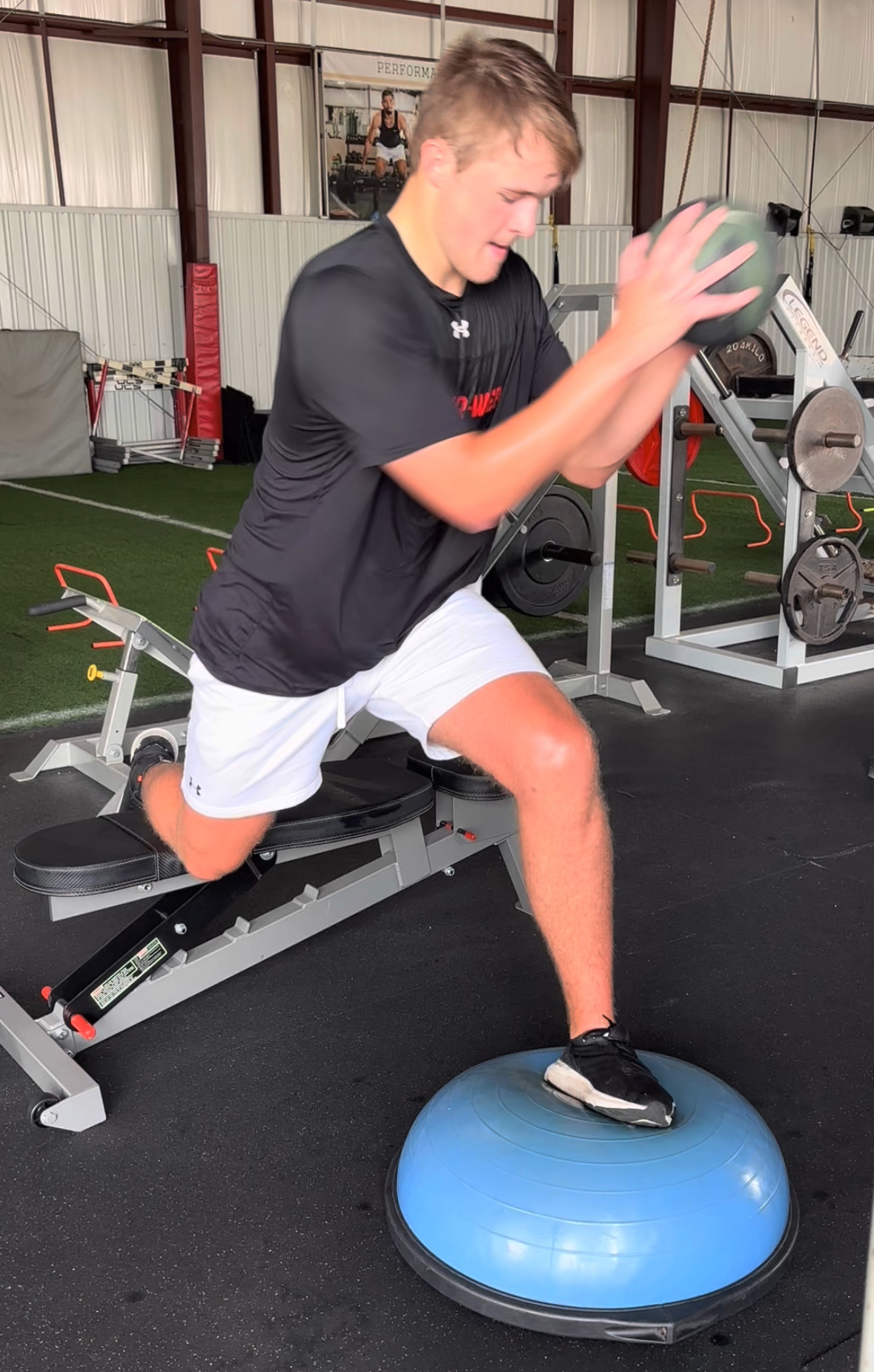
Balance and reaction training: Teach your body to react quickly so you don't roll it again when you least expect it.
Sports or activity-specific drills: Whether you run, jump, or cut side-to-side, we'll help you get back to it with confidence.
Practical Tips for Athletes Recovering from an Ankle Sprain
Respect the Early Phase: In the first 24–48 hours, manage swelling with elevation, gentle compression, and motion within pain-free ranges.
Work on Mobility Daily: Try ankle circles, writing the alphabet with your toes, or gentle rocking to avoid stiffness.
Strength Comes Before Speed: Make sure you can do calf raises, banded ankle pushes, and controlled step-downs pain-free before running or cutting.
Don't Skip Balance Training: Start with single-leg balance, then progress to unstable surfaces or eyes closed to rebuild stability.
Layer in Sport-Specific Drills: Incorporate jog intervals for runners, side shuffles, and cutting for basketball players. Focus on confidence first, intensity second.
Be Patient, Not Passive: Progress steadily rather than rushing. A fully rehabbed ankle is stronger and less likely to reinjure.
When Should You Get It Checked Out?
If you couldn't walk on it right after it happened, if the swelling is significant, or if you felt/heard a "pop," it's smart to get it looked at right away. Even for mild sprains, seeing a sports physical therapist early can make your recovery much faster and help prevent future injuries.
Ankle sprains are frustrating, but they don't have to keep you sidelined. With the right game plan, you can get back to running, training, or just living your life without worrying about rolling it again. If you've recently sprained your ankle—or you're tired of dealing with one that never seems to fully heal—reach out to us. We'll put together a personalized plan to get you moving strong and pain-free again.