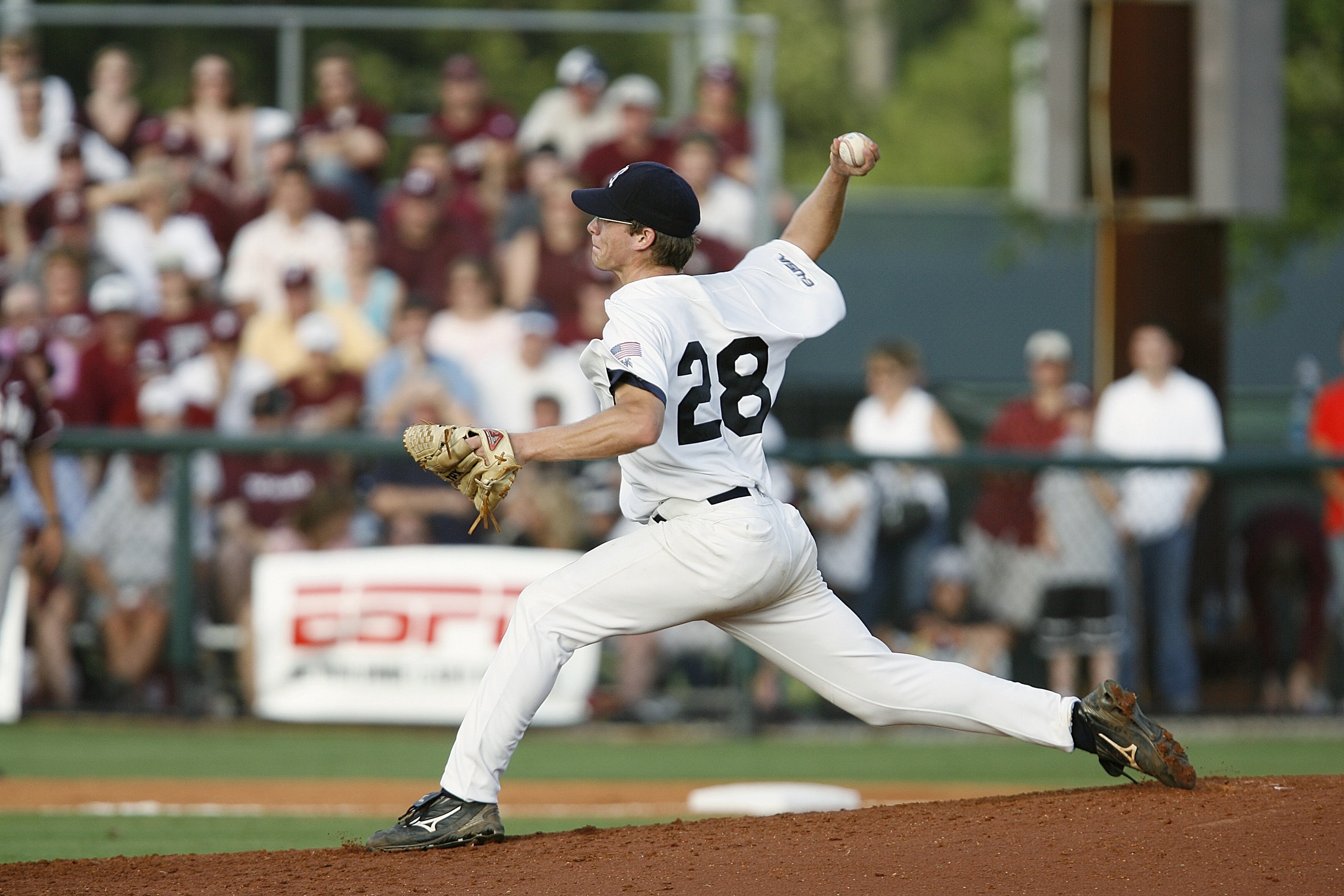
In the realm of competitive sports, the art of throwing is a dynamic skill that can be a decisive factor in an athlete's success. Whether you're a baseball pitcher seeking pinpoint accuracy or a quarterback aiming for that perfect long pass, the quest for heightened throwing velocity necessitates a comprehensive and nuanced approach.
In this blog post, we explore the sophisticated strategies endorsed by physical therapy experts — insights that not only promise to amplify your throwing velocity but also ensure the resilience and longevity of your throwing arm.
1. The Art of Assessment
The quest for an enhanced throwing velocity begins with a meticulous assessment. Physical therapists, armed with expertise and precision, conduct a thorough analysis of your throwing mechanics. Employing video analysis and hands-on evaluation, they scrutinize every element — from the alignment of your feet during setup to the intricacies of your arm's follow-through.
2. Strength and Stability: Laying the Foundation
Building a powerful throwing arm is not a one-dimensional endeavor. Physical therapists craft targeted strength and stability regimens that extend beyond the conventional emphasis on major muscle groups. Recognizing the significance of oft-overlooked stabilizing muscles around the shoulder and elbow, these experts engineer a symphony of exercises to cultivate a holistic and balanced strength.
3. Flexibility: The Gateway to Fluidity
Throwing with maximum velocity necessitates a body that moves with seamless fluidity. Physical therapists introduce dynamic stretching routines into your training, with a focus on improving flexibility and optimizing the range of motion in critical joints such as the shoulders and hips.
4. Biomechanical Precision: A Catalyst for Speed
The unsung hero behind a formidable throw is often found in the realm of biomechanical efficiency. Physical therapists scrutinize your throwing technique for any inefficiencies that may be impeding your progress. Guided by their insights, refinements to your mechanics can lead to a more efficient transfer of energy, resulting in a noticeable surge in throwing velocity.
5. Recovery Rituals and Injury Prevention
The relentless nature of throwing can exact a toll on even the most robust athletes. Physical therapists advocate for the incorporation of recovery rituals into your routine — targeted stretching sessions, myofascial release techniques, and joint mobilization exercises. By weaving these practices into your regimen, you not only expedite recovery between intense throwing sessions but also fortify your arm against the perils of overuse injuries.
6. Sport-Specific Functional Training: Bridging the Gap
Recognizing that each sport demands unique physical attributes, physical therapists design training programs that mirror the nuanced demands of throwing in your specific discipline. Functional training exercises are strategically integrated, precisely replicating the dynamic movements inherent to your sport.
A Journey, Not a Destination
Elevating your throwing velocity is a multifaceted journey that transcends the confines of mere repetition. It demands a thoughtful and holistic approach guided by the nuanced expertise of physical therapy professionals. By addressing strength, stability, flexibility, biomechanics, and recovery, you embark on a transformative journey that not only amplifies your throwing arm's potential but also safeguards its longevity.
Consult with a physical therapist to craft a meticulously tailored plan that aligns with your unique needs. Remember, mastery in throwing is not a sprint; it's a strategic and enduring expedition. If you need help recovering from a throwing-related injury or just improving overall performance, give us a call!