
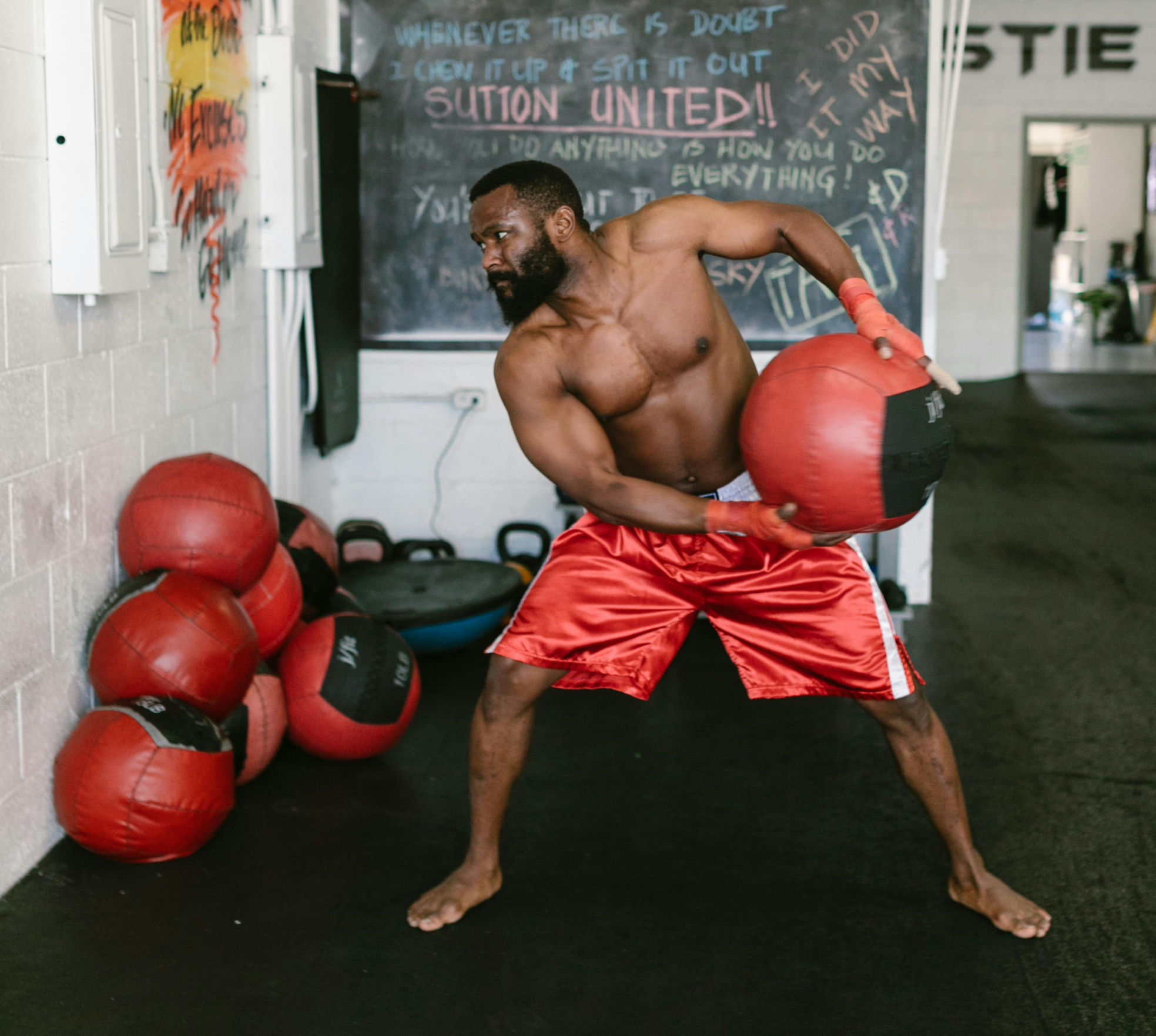
In today's competitive sports landscape, athletes are increasingly focused on perfecting their skills for a specific sport. Whether it's soccer, basketball, tennis, or running, the push for sport-specific training has become stronger than ever. But the reality is — sport-specific training can be dangerous. At least, when it's done the wrong way.
I see this pattern often with athletes from various disciplines — boxers, basketball players, baseball players, football players. These athletes hammer movements that are vital to their sport: weighted tosses, resisted punches, heavy squats. They focus heavily on strengthening the muscle groups they rely on most during competition.
But there's one glaring problem — they often neglect everything else, particularly the muscles and movements that balance out their bodies.
The Root Cause: Muscle Imbalances
The reason behind these injuries? Over-reliance on sport-specific movements creates muscle imbalances. Athletes develop disproportionate strength in the muscle groups they rely on most for their sport, while neglecting opposing or supporting muscles. Over time, this imbalance places undue stress on joints, tendons, and ligaments.
For example, basketball players who focus only on strengthening the quadriceps for explosive jumping may neglect the hamstrings and glutes, leading to increased risk of knee injuries. Similarly, baseball players who spend all their time developing their upper body for pitching or swinging may be prone to shoulder injuries due to weak scapular muscles that stabilize the shoulder joint.
This kind of lopsided development isn't just a small risk — it's a ticking time bomb.
The Solution: Train for General Athleticism
Athletes should not rely solely on sport-specific training. Instead, they should prioritize general athleticism as the foundation of their fitness. This means developing overall strength, endurance, flexibility, and stability before fine-tuning the sport-specific skills.
A well-rounded training program that includes cross-training, functional strength exercises, and mobility work is key to creating a durable, resilient athlete.
Sprinkling in Sport-Specific Drills
That's not to say sport-specific training should be thrown out the window. It's essential for athletes to include plyometrics, agility drills, speed drills, and strength training that target the demands of their sport — but in moderation.
For instance, basketball players still need to practice explosive drills that mimic game movements, but they should balance that with exercises that strengthen their core, hamstrings, and lower back. Football players can focus on sprints and agility, but without forgetting to strengthen their posterior chain to prevent knee or lower back injuries.
Why Proven Programming Yields Big Results
When athletes follow a proven training program that emphasizes both general fitness and sport-specific drills, they reduce their risk of injury while improving overall performance. Studies show that athletes who engage in multifaceted training are less likely to experience overuse injuries, burnout, and mental fatigue.
Additionally, balanced programming ensures that athletes are building strength in the right places and in the right way. By including functional movements and exercises that target stabilizing muscles, athletes are able to perform better and with more efficiency.
The Takeaway: Balance is Key
Sport-specific training has its place, but it's not the end-all-be-all. Athletes need to focus on overall athleticism, building a strong, well-rounded foundation that can handle the rigors of intense competition. By incorporating a balanced approach to training that includes strength work, mobility, and cross-training, athletes can prevent injuries, improve performance, and extend their careers.